The audio book is free!!
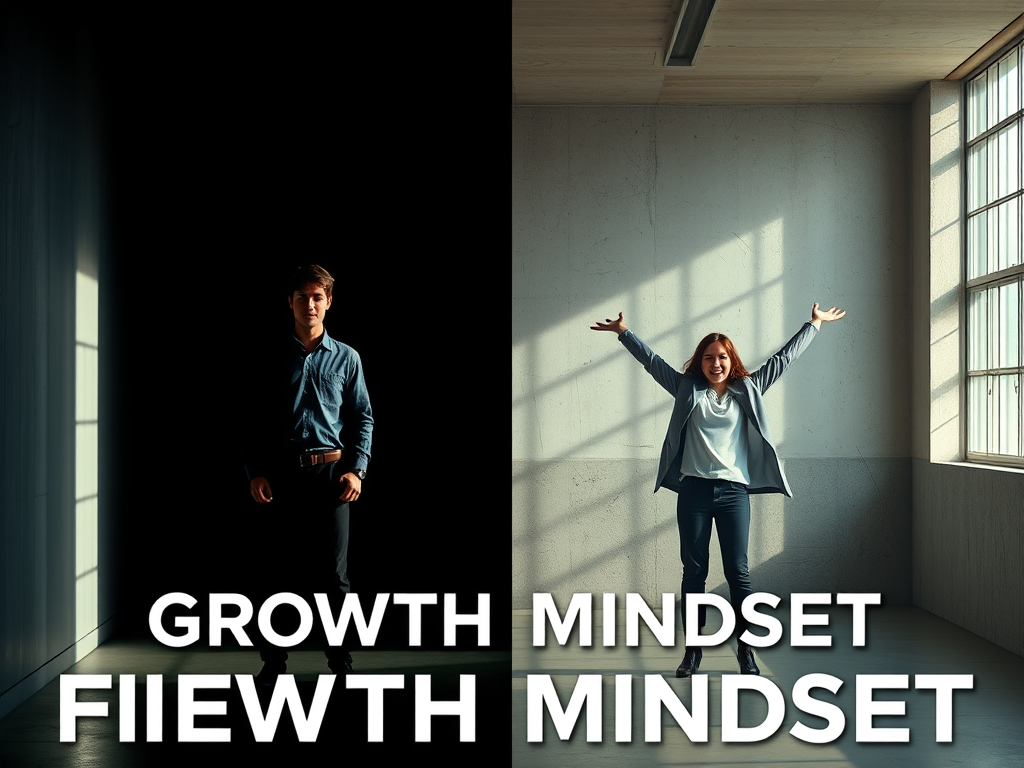
Unlocking Your Potential: The Power of a Growth Mindset vs. a Fixed Mindset
Have you ever felt limited by your abilities, believing that you’re “just not good at” certain things? Or perhaps you’ve seen someone excel in a particular field and thought, “They’re just naturally talented.” These thoughts might be a sign of a fixed mindset at play. But what if you could change your beliefs about your capabilities and unlock untapped potential? That’s the power of embracing a growth mindset.
What’s the Difference?
The concepts of fixed and growth mindsets were popularized by Carol Dweck, a renowned psychologist and professor at Stanford University. Her research has demonstrated the profound impact these mindsets have on learning, achievement, and overall success.
- Fixed Mindset: People with a fixed mindset believe that their abilities, intelligence, and talents are innate and unchangeable. They see intelligence as a fixed trait. They believe you are either born with it or not. They often avoid challenges because they fear failure will expose their lack of ability.
- Growth Mindset: People with a growth mindset believe that their abilities can be developed through dedication, hard work, and learning. They embrace challenges, see failures as opportunities for growth, and believe that effort leads to mastery.
Here’s a simple comparison:
| Feature | Fixed Mindset | Growth Mindset |
| Intelligence/Talent | Inborn and unchangeable | Developable through effort and learning |
| Challenges | Avoided for fear of failure | Embraced as opportunities for growth |
| Effort | Seen as unnecessary if truly talented | Seen as the path to mastery |
| Feedback | Taken personally and defensively | Welcomed as a source of learning and improvement |
| Success of Others | Threatening; leads to envy or resentment | Inspiring; leads to motivation and learning from them |
| Failure | A sign of incompetence | A stepping stone to success |
The Implications of Each Mindset
The type of mindset you adopt can significantly impact your life in various ways:
- Learning: Those with a fixed mindset may shy away from new learning opportunities, fearing they’ll struggle and expose their “limits.” Conversely, those with a growth mindset actively seek out learning experiences, viewing them as a chance to expand their skills and knowledge.
- Performance: People with a fixed mindset tend to focus on proving their existing abilities, which can lead to a fear of taking risks and a plateau in performance. Those with a growth mindset, however, are more likely to push themselves beyond their comfort zones, leading to continuous improvement and higher levels of achievement.
- Relationships: In relationships, a fixed mindset can lead to judgmental attitudes and a belief that people are either “good” or “bad.” A growth mindset encourages empathy, understanding, and a belief that people can change and grow.
- Resilience: Individuals with a fixed mindset are more likely to give up easily when faced with setbacks or failures. Those with a growth mindset are more resilient, viewing setbacks as temporary obstacles to be overcome.
How to Cultivate a Growth Mindset
The good news is, mindsets are not set in stone! You can consciously cultivate a growth mindset by adopting the following strategies:
- Embrace Challenges: Instead of avoiding challenges, actively seek them out. View them as opportunities to learn and grow.
- Value Effort: Recognize that effort is essential for mastery. Don’t be afraid to put in the hard work required to achieve your goals.
- Learn from Criticism: View criticism as valuable feedback that can help you improve. Don’t take it personally or defensively.
- Celebrate the Success of Others: Instead of feeling envious or threatened by the success of others, be inspired by their achievements and learn from their experiences.
- Reframe Failure: View failure as a stepping stone to success. Don’t give up easily when you encounter setbacks. Instead, learn from your mistakes and keep moving forward.
- Practice Self-Compassion: Be kind to yourself when you make mistakes or encounter challenges. Remember that everyone experiences setbacks and that it’s okay to struggle.
- Be Mindful of Your Language: Pay attention to the language you use when talking about your abilities and potential. Avoid phrases like “I’m just not good at that” or “I’m not a natural.” Instead, try saying “I can learn to do that with practice” or “I’m working on improving my skills.”
Real-World Examples
- Sports: A basketball player with a fixed mindset might believe that they’re either born with talent or not. They may avoid practicing certain skills because they fear they’ll never be good at them. A player with a growth mindset, however, would see practice as the key to improving their skills. They would embrace challenges and view setbacks as opportunities to learn and grow.
- Business: A salesperson with a fixed mindset might believe that they’re either a natural salesperson or not. They may give up easily when they encounter rejection. A salesperson with a growth mindset, however, would view rejection as an opportunity to learn and improve their sales techniques. They would seek feedback from mentors and continuously work on developing their skills.
- Education: A student with a fixed mindset might believe that they’re either smart or not. They may avoid challenging courses because they fear they’ll fail. A student with a growth mindset, however, would see challenges as opportunities to learn and grow. They would embrace effort and view setbacks as temporary obstacles to be overcome.
Conclusion
The difference between a fixed mindset and a growth mindset is profound. By embracing a growth mindset, you can unlock your potential, achieve your goals, and live a more fulfilling life. Start today by challenging your limiting beliefs, embracing challenges, and viewing effort as the path to mastery. Your potential is limitless – it’s time to unleash it!



Leave a Reply